Explore Modern Patio Doors
The Perks of Installing Energy-Efficient Sliding Doors in Your Home
Energy-efficient sliding doors provide a practical solution for homeowners looking to enhance their living spaces. These doors not only increase thermal efficiency but also allow for an abundance of natural light, which can revolutionize the ambiance of any room. Their modern design can elevate a home's aesthetic appeal and market value. However, the benefits extend beyond aesthetics and comfort, prompting a closer examination of their overall impact on home efficiency. What considerations should homeowners remember?

How Sliding Doors Fix Energy Efficiency Problems?
Sliding doors, while aesthetically pleasing, function as a vital role in promoting energy efficiency within homes and commercial spaces. Their design facilitates for generous natural light, reducing the need for artificial lighting during the day. This natural illumination not only brightens interiors but also contributes to lower energy consumption.
Furthermore, modern glass doors are often fitted with sophisticated sealing and premium glazing, which reduce air leakage. This eliminates drafts and aids in maintaining a stable internal climate, ultimately lowering energy expenses.
Furthermore, the sizable glass panels can be designed to deflect heat during the summer and retain warmth in the winter, additionally promoting energy savings. By integrating sliding doors into their design, homeowners and businesses can achieve a equilibrium between aesthetics and environmental responsibility, leading to a more optimized energy footprint while improving the overall atmosphere of their spaces.
How Sliding Doors Enhance Your Home's Insulation
While many homeowners highlight style, the thermal performance of sliding glass panels are similarly critical. Energy-efficient sliding doors are intended to decrease heat movement, effectively keeping homes more insulated during winter and more temperate in summer. They often present multi-chamber frame designs and insulated glass, which work together to reduce energy loss.
Additionally, these doors often come equipped with weather stripping that blocks drafts, further improving thermal performance. By forming a more secure seal, sliding doors help maintaining a stable indoor temperature, decreasing the dependence on heating and cooling systems. This not only leads to greater comfort but also promotes reduced energy bills.
Furthermore, upgraded insulation helps diminish external noise pollution, creating a quieter living space. In summary, the insulating qualities of energy-saving sliding doors provide useful advantages that enhance the home's energy performance while guaranteeing a cozy residential environment.
Why Natural Light Is Essential in Your Home?
Natural light serves as a crucial factor in enhancing the ambiance and functionality of a home. It establishes a welcoming environment, causing areas to seem bigger and less confined. The availability of daylight can also enhance emotional health and happiness, leading to a brighter home atmosphere. Research shows that exposure to natural light can boost work performance and attention, providing significant advantages for work areas at home.
Moreover, sunlight can lower energy use by minimizing the reliance on electric lights during the day. This not only cuts electricity bills but also lessens the overall environmental impact. Also, homes bathed in natural light often seem more pleasing to the eye, effectively showcasing interior design elements. By integrating energy-efficient sliding doors, homeowners can optimize the influx of natural light while keeping energy efficiency, eventually increasing both comfort and visual appeal within their living spaces.
Enhancing Home's Exterior Attractiveness Using Sliding Doors
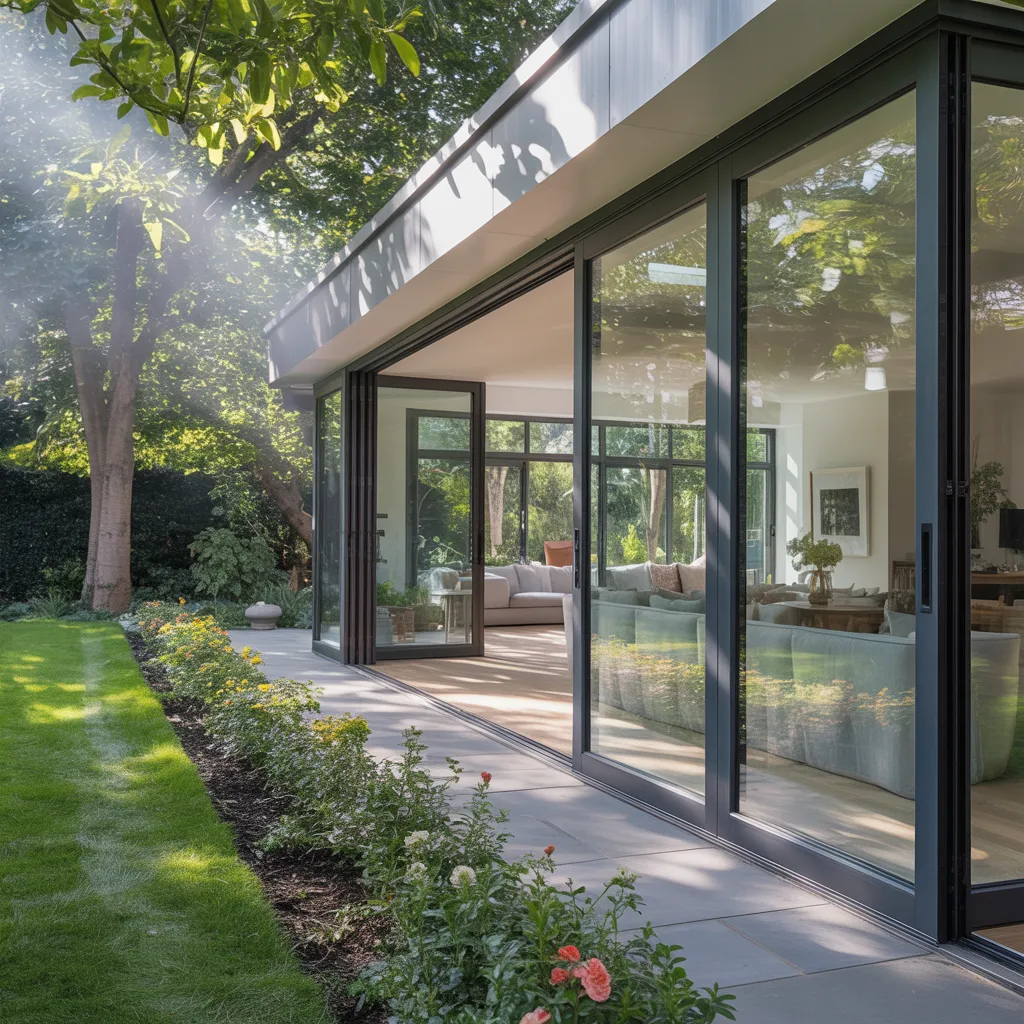
Installing sustainable sliding doors can substantially improve a home's curb appeal, as they blend functionality with contemporary aesthetics. These doors represent a prominent focal point, attracting attention and inviting passersby to enjoy the home's design character. Obtainable in numerous design options, energy-efficient sliding doors can match diverse structural elements, from current to conventional.
The expansive glass panels facilitate natural light to inundate interior spaces, forming an engaging atmosphere that extends the living area beyond doors. This seamless shift enhances the home's overall magnetism, leaving it feeling larger and more open. Additionally, homeowners can select options that embody their personal style, reinforcing their unique identity.
Furthermore, the clean edges and simple aesthetic of sliding doors create a modern look, making the property more appealing to potential buyers. By investing in high-performance sliding doors, homeowners not only improve aesthetics but also increase the property's value and marketability.
Deciding on Materials for Eco-Friendly Sliding Doors
Choosing the right materials for energy-saving sliding door systems is essential to enhancing their functionality and aesthetic appearance. Common materials consist of vinyl, fiberglass, and wood, each offering unique advantages. Vinyl is recognized for its superior insulation characteristics and low upkeep requirements, rendering it a preferred option. Fiberglass delivers strength and resistance to warping, while also offering good energy conservation. Wood, though visually appealing, often demands more upkeep and may need additional insulation to meet energy standards.
The choice of glazing also plays a vital factor. Multi-pane glass with low-emissivity coatings can significantly reduce heat transfer, improving energy performance. Additionally, choosing frames with thermal breaks can additionally enhance thermal insulation. In the end, a thorough evaluation of material choices, combined with energy-efficient features, ensures that sliding doors not only improve the residence's aesthetic appeal but also contribute to reduced energy expenses and greater comfort.
Steps for Installing High-efficiency Sliding Doors
Installing sliding doors that are energy-efficient demands meticulous planning and execution to guarantee optimal performance and durability. The initial step involves measuring the existing door frame accurately to ensure a ideal fit. The old door must be removed cautiously to avoid damaging the surrounding structure. Once the space is ready, the new sliding door should be set into the frame. Confirming that the door is even and plumb is vital; shims may be needed for adjustments. After the door is secured, insulating properly around the frame is key to prevent air leaks. Including weather stripping in the installation enhances energy efficiency. Lastly, check the door’s operation to confirm easy sliding and secure locks. This organized approach not only boosts energy efficiency but also enhances the look and function of the home.
Best Methods for Upkeeping Sliding Doors
Proper installation of energy-efficient sliding doors lays the base for their longevity, but ongoing maintenance is equally significant to confirm peak performance. Regular sanitizing is essential; tracks should be relieved of residue and fragments to prevent obstruction and guarantee unobstructed operation. Homeowners should inspect the weatherstripping intermittently for any damage or weakening, replacing it as needed to maintain energy efficiency.
Coating the cylinders and tracks with a silicone-based spray helps improve functionality and limit wear. Checking the doors' positioning is important; misalignment can result in gaps that affect energy efficiency. Moreover, inspecting the glass for fractures or chips will help prevent additional damage and energy loss. By adhering to these best practices, homeowners can extend the life of their sliding doors while optimizing their energy-saving benefits. Regular maintenance not only enhances aesthetics but also contributes to overall home comfort.
Regularly Asked Queries
What Do Typical Energy-Efficient Sliding Doors Cost?
Usual prices for energy-efficient sliding doors range from $800 to $3,000, based on materials, size, and installation. Property owners should consider extended savings on energy bills when weighing their investment in these doors.
What's the Contrast Between Sliding Doors and Traditional Doors When it Comes to Power Savings?
Sliding doors often supply outstanding energy efficiency compared to traditional doors, primarily because of their advanced insulation and sealing technologies. This design minimizes air leaks, enhancing thermal full information performance and reducing heating and cooling costs in homes.
Is Upgrading Existing Doors Viable for Improved Energy Efficiency?
Upgrading current doors for better energy efficiency is doable through weather stripping, adding insulation, or installing energy-efficient glass. These changes can boost insulation and lower energy loss, making older doors more efficient without full replacement.
Are Energy-Saving Sliding Doors Qualified for Tax Credits or Rebates?
Energy-efficient sliding doors might qualify for tax credits or rebates, depending on local and federal programs. Homeowners should check specific eligibility requirements and speak to tax professionals to maximize potential financial benefits.
What Protection Plans Can You Find for Energy-Efficient Sliding Doors?
Various guarantees for energy-saving sliding door systems include manufacturer guarantees, which often protect against defects for 10-20 years, and lifetime coverage plans that may protect specific components. Homeowners should review terms to ensure sufficient coverage against possible problems.